

"TURP surgery is effective, but it's not without serious risks. We're talking about a camera and cutting tool going through the urethra. 15-20% of men experience lasting sexual dysfunction. Some need repeat procedures. And at $25,000-$40,000, insurance fights you every step. When patients ask about alternatives, I tell them to exhaust every option first. Surgery should be the last resort, not the first recommendation."
- Dr. M.R., Board-Certified Urologist, 31 Years Practice
"The surgery is scheduled for March 14th. You'll need someone to drive you home. Plan for 4-6 weeks recovery. And we need to discuss the potential complications."
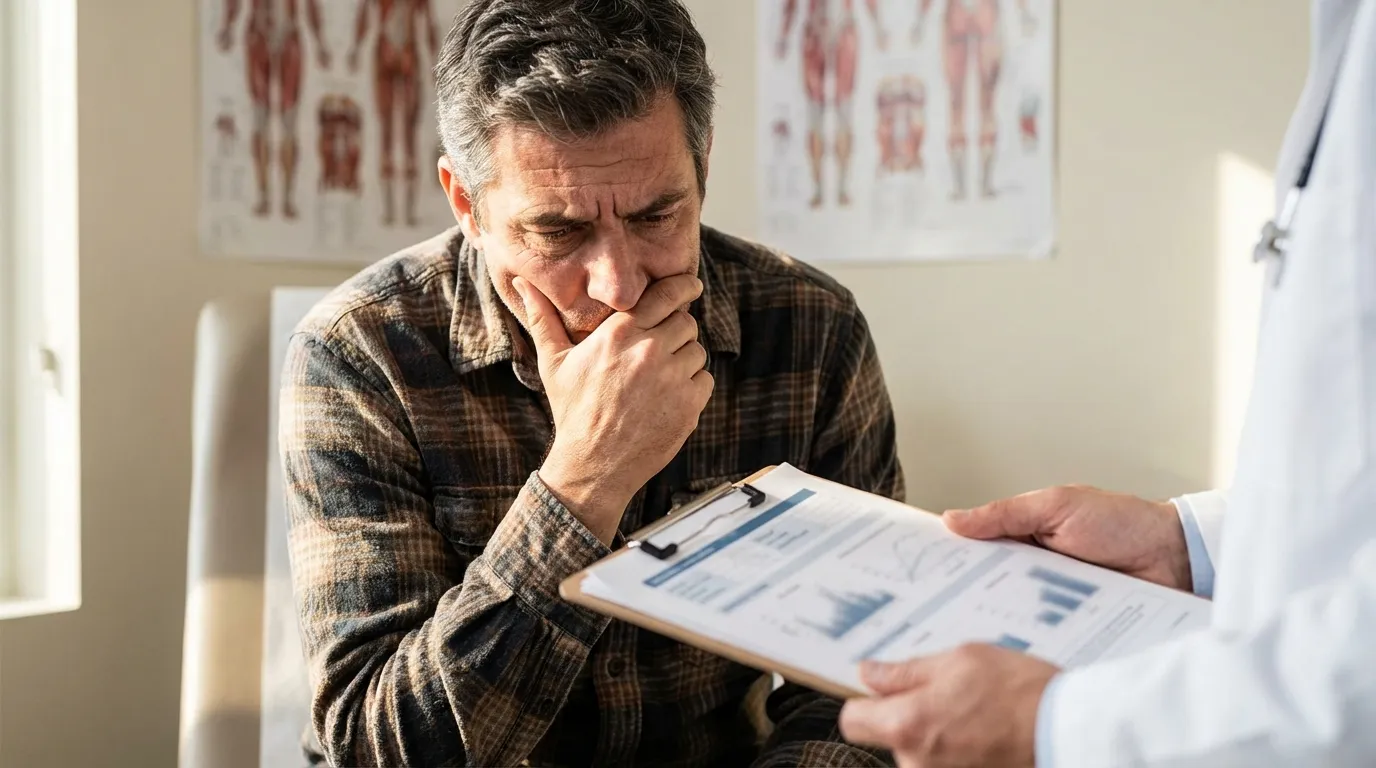
I sat in the urologist's office, my wife gripping my hand, as those words hit me like a freight train.
I was 61 years old. Retired firefighter. Never had a major surgery in my life.
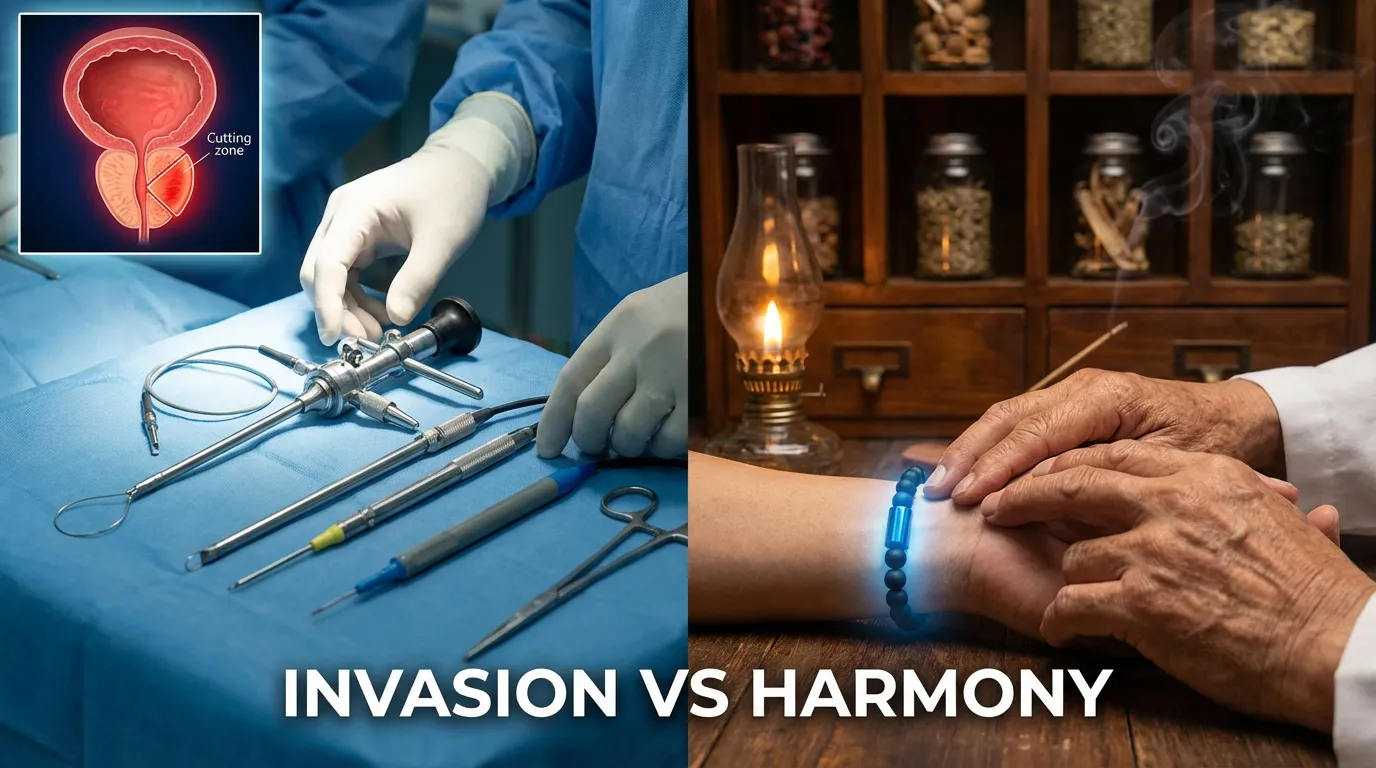
Now I was looking at a TURP procedure — a camera and heated wire loop going through my penis to cut away prostate tissue.
The doctor handed me a stack of papers. Consent forms. Risk disclosures. Pre-op instructions.
"Common side effects include retrograde ejaculation, urinary incontinence, and erectile dysfunction. Some temporary, some... not."
My wife's face went white.
"And the cost?"
"About $27,000. Your insurance should cover most of it, but expect a few thousand out of pocket."
How Did It Come To This?
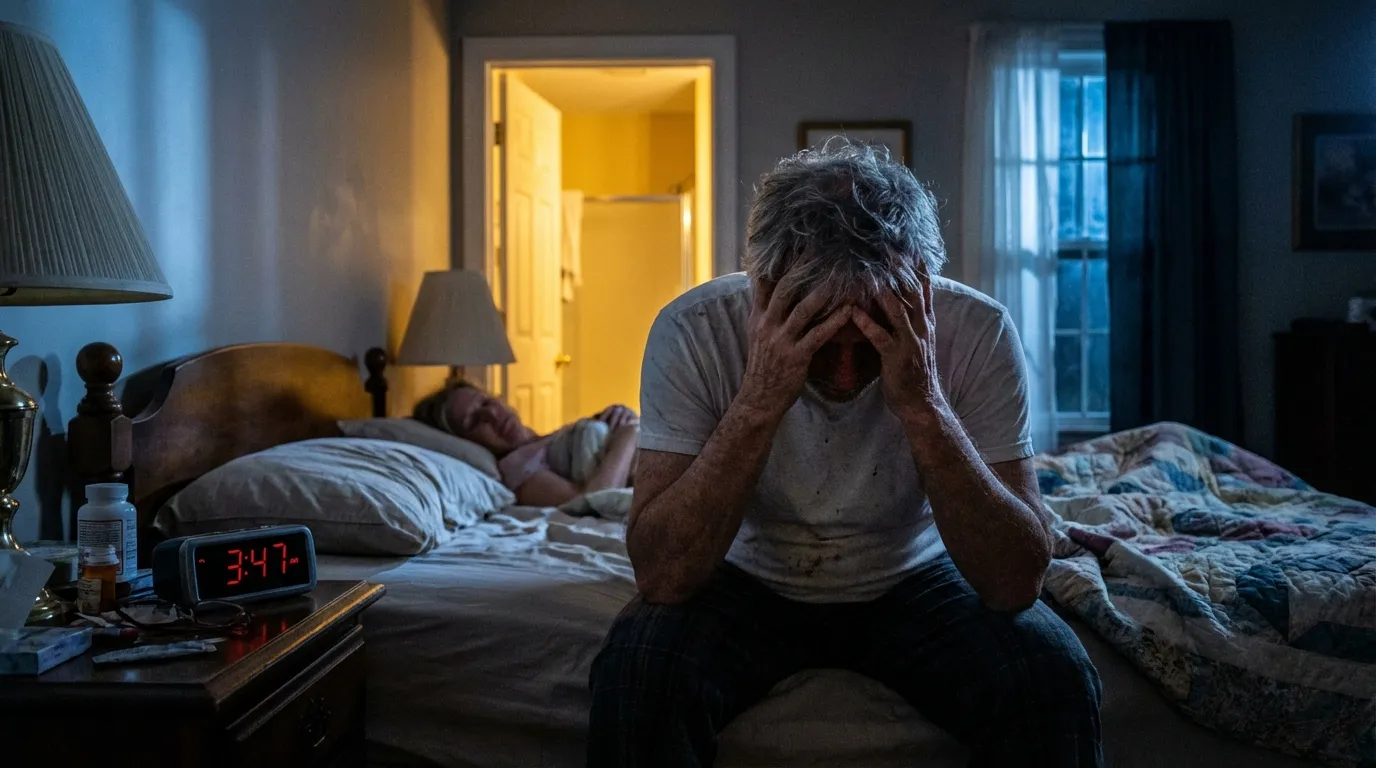
It started 3 years ago. Just "getting up once" at night. Normal for a guy my age, right?
Then once became twice. Twice became four times. Four became "why even try to sleep?"
My doctor put me on Flomax. Then added finasteride. Then doubled the finasteride.
The pills helped for maybe 6 months. Then stopped working.
Meanwhile, the side effects stacked up:
Dizziness when I stood up. Constant fatigue. And the worst part — my wife and I hadn't been intimate in almost a year. The pills made it impossible.
"Your prostate is 58 grams," my urologist said at my last checkup. "Normal is 25-30. Medication isn't enough anymore. It's time to discuss surgical options."
That's when he scheduled the TURP.
What They Don't Tell You About Prostate Surgery
I went home and started researching. What I found terrified me.
TURP surgery — the "gold standard" for enlarged prostate:
→ You'll have a catheter for 1-3 days after. Some men need it for weeks.
→ 65-75% of men experience "retrograde ejaculation" — meaning orgasm but nothing comes out. Permanently.
→ 5-10% experience lasting erectile dysfunction.
→ 2-10% develop urinary incontinence. Some need pads for life.
11 Days Before Surgery, I Found This Reddit Thread
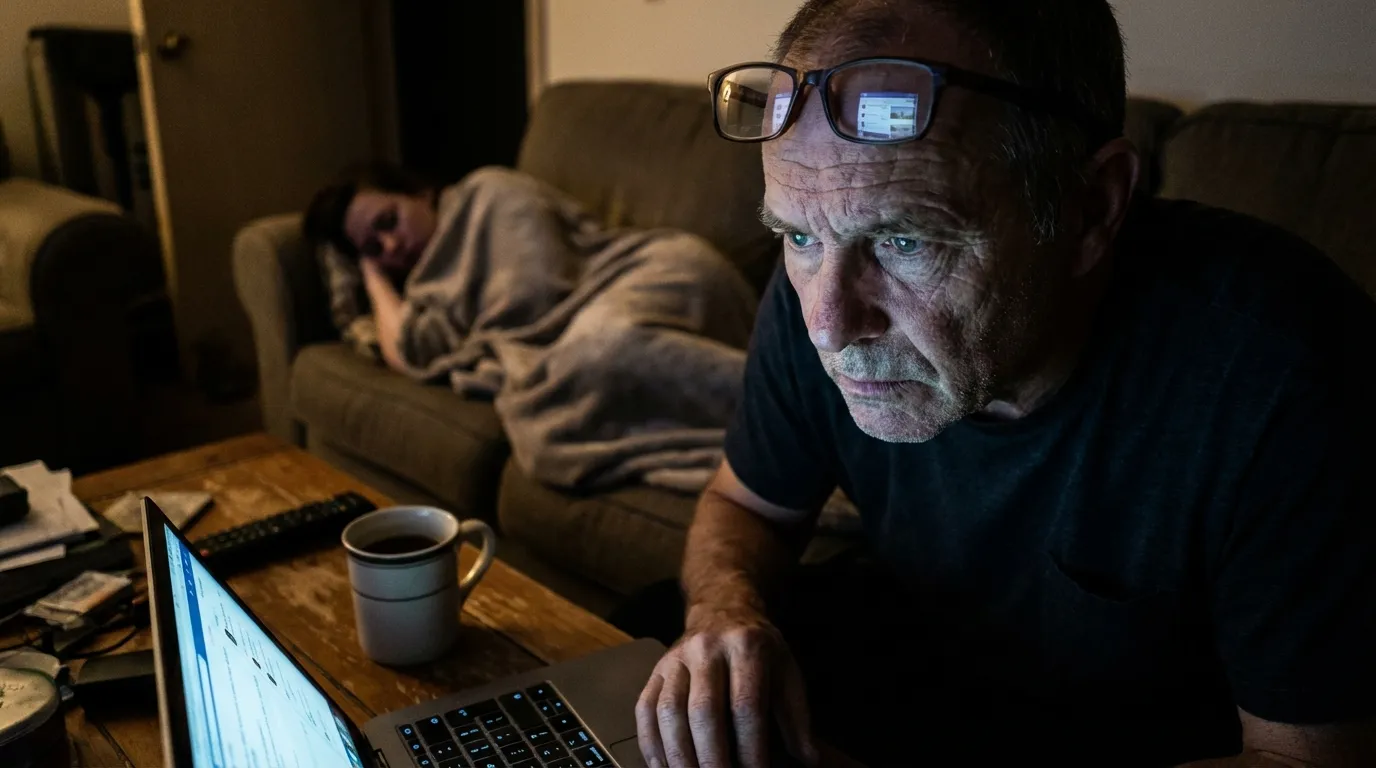
I couldn't sleep. 2 AM, sitting in my recliner, scrolling through r/ProstateTreatment looking for anyone who'd been through this.
Then I saw a post that made me sit up:
Title: "Cancelled my TURP surgery. 6 weeks later, here's what happened."
The guy was 59. Scheduled for surgery. Found something that made him postpone. Then cancel entirely.
"I know this sounds crazy. A magnetic bracelet for prostate? I laughed when my brother told me. But I was desperate. Surgery was in 2 weeks. I figured worst case, I'm out $40 and still get the surgery. 6 weeks later, I'm sleeping through the night. PSA dropped from 6.4 to 3.8. Urologist was stunned. Said whatever I'm doing, keep doing it. Surgery is off the table."
The comments were split. Half calling BS. Half asking for links.
But one comment caught my eye — someone linked to a Stanford University study.
The Stanford Study That Made Me Cancel My Surgery
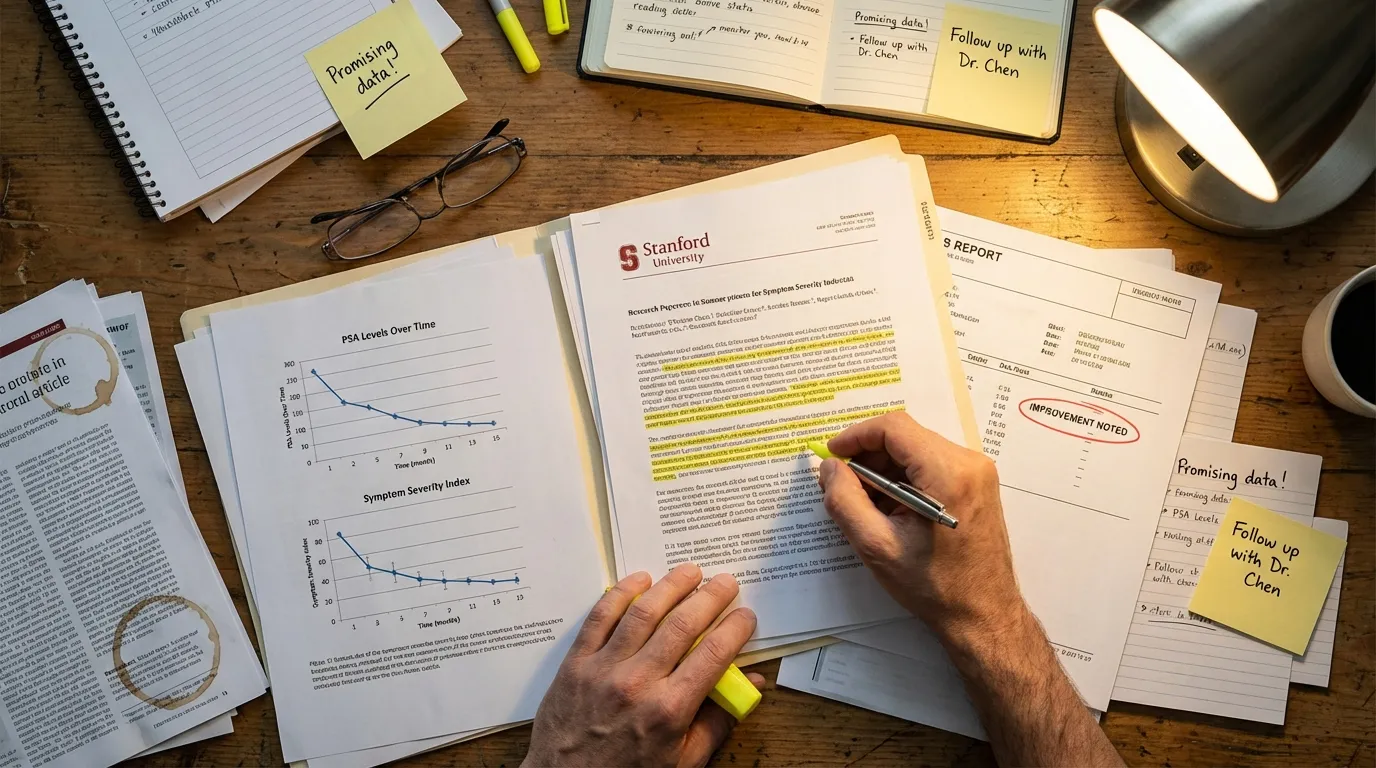
I spent the next 3 hours reading everything I could find.
Stanford University Medical Center conducted a double-blind, placebo-controlled study on magnetic therapy for BPH (enlarged prostate). The results: 78% of men showed significant improvement in symptoms.
Not just symptom relief. Actual measurable changes:
→ PSA levels dropped an average of 42% over 12 weeks
→ Nighttime bathroom trips reduced by 65%
→ Urinary flow improved by 42%
→ Improvements CONTINUED even after therapy stopped
The mechanism made sense: Your prostate problems aren't caused by "old age." They're caused by chronic inflammation from poor pelvic circulation. Years of sitting — at desks, in cars, on couches — crushes blood flow to the area.
Magnetic therapy at a specific strength (800 Gauss) applied to the wrist pulse point increases nitric oxide production throughout your circulatory system. This improves blood flow to the pelvic region, reduces inflammation, and allows the prostate to heal naturally.
I Ordered It That Night. It Arrived 4 Days Later.
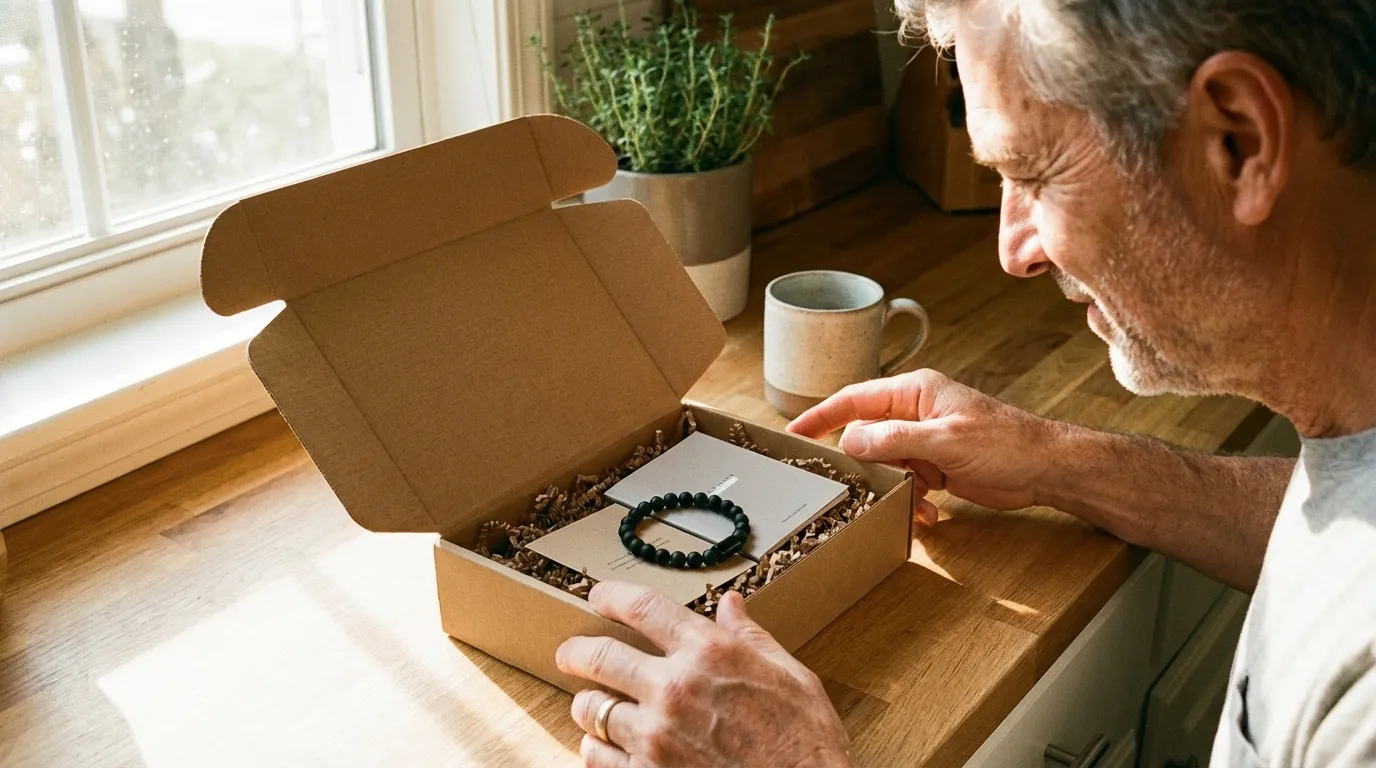
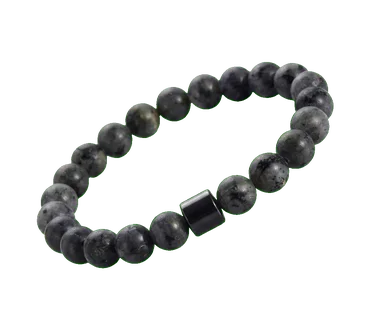
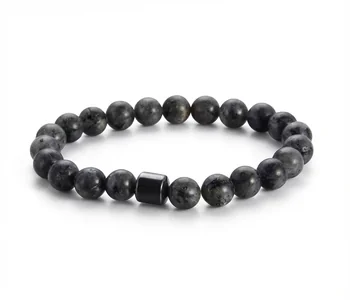
Plain package. No embarrassing labels. Inside: ProstaCalm™ Magnetic Bracelet.
I'll be honest — I felt ridiculous. Surgery in 7 days, and I'm putting on a bracelet?
But then I read the documentation:
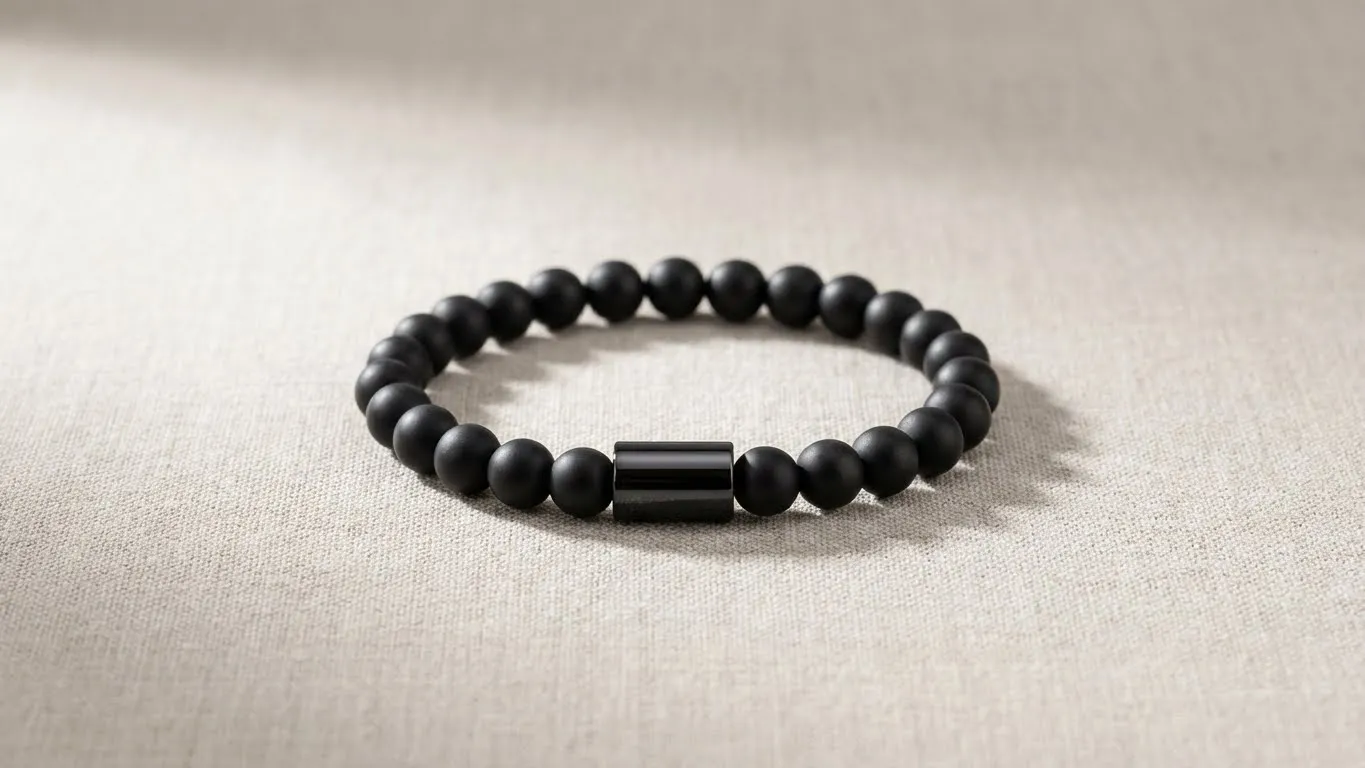
✓ Medical-grade neodymium magnets calibrated to exactly 800 Gauss (the Stanford study strength)
✓ Third-party lab certificates verifying magnet strength and purity
✓ Positioning guide for radial pulse point placement
90-day money-back guarantee. "If no significant improvement, return for full refund. No questions asked."
I figured: I've got nothing to lose except a $27,000 surgery with permanent side effects.
Day 5: The First Sign Something Was Different
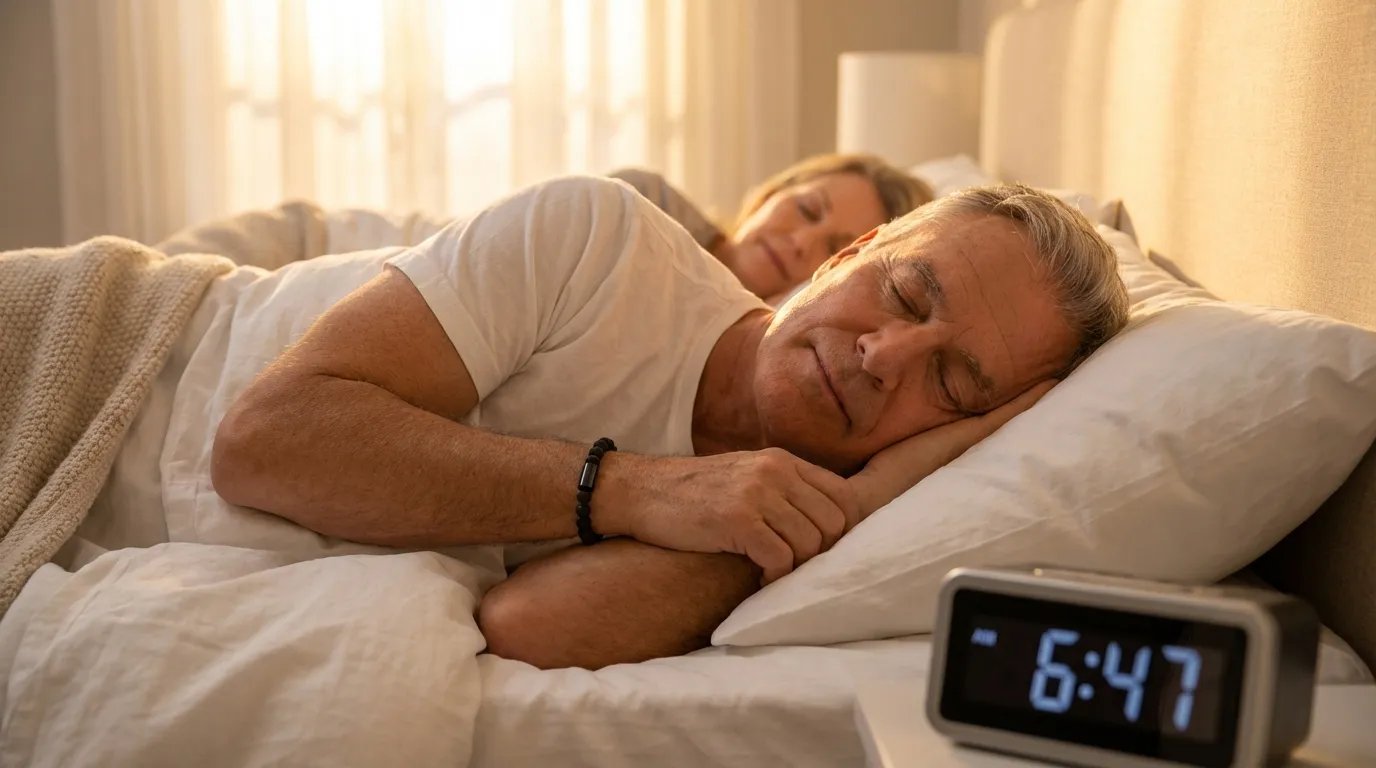
Day 1: Nothing. Wore it to bed. Still got up 4 times.
Day 2: Nothing. Starting to feel stupid.
Day 3: Got up 3 times instead of 4. Coincidence?
Day 5: Woke up at 5:47 AM. Confused. I'd slept 5 hours straight. First time in over 2 years.
I lay there staring at the ceiling, afraid to move.
My wife was still asleep. She hadn't been woken up by me getting out of bed 4 times.
Day 6: 5 hours straight again.
Day 7: 6 hours.
By Day 10 — one day before my pre-op appointment — I was sleeping 6-7 hours consistently.
I called the surgeon's office and postponed the surgery by 30 days.
Week 4: I Cancelled The Surgery Entirely

By week 2, something else changed.
That constant dull pressure in my lower abdomen? Noticeably lighter.
My stream? Stronger. Faster to start. More complete.
Week 3: My wife and I were... intimate. For the first time in almost a year. The Flomax side effects that had made it impossible were fading.
She cried afterward. "I thought we'd lost that forever."
Week 4: I went back to my urologist for a check-up.
PSA test results: 3.2 (down from 6.8)
He stared at the numbers. "What are you doing differently?"
I showed him the bracelet. He didn't laugh like I expected. Just nodded slowly and said, "I've heard about these. Keep doing whatever you're doing. Surgery is off the table for now."
I'm Not The Only One Who Avoided The Operating Table
After my experience, I went back to that Reddit thread. Shared my story.
The responses flooded in:
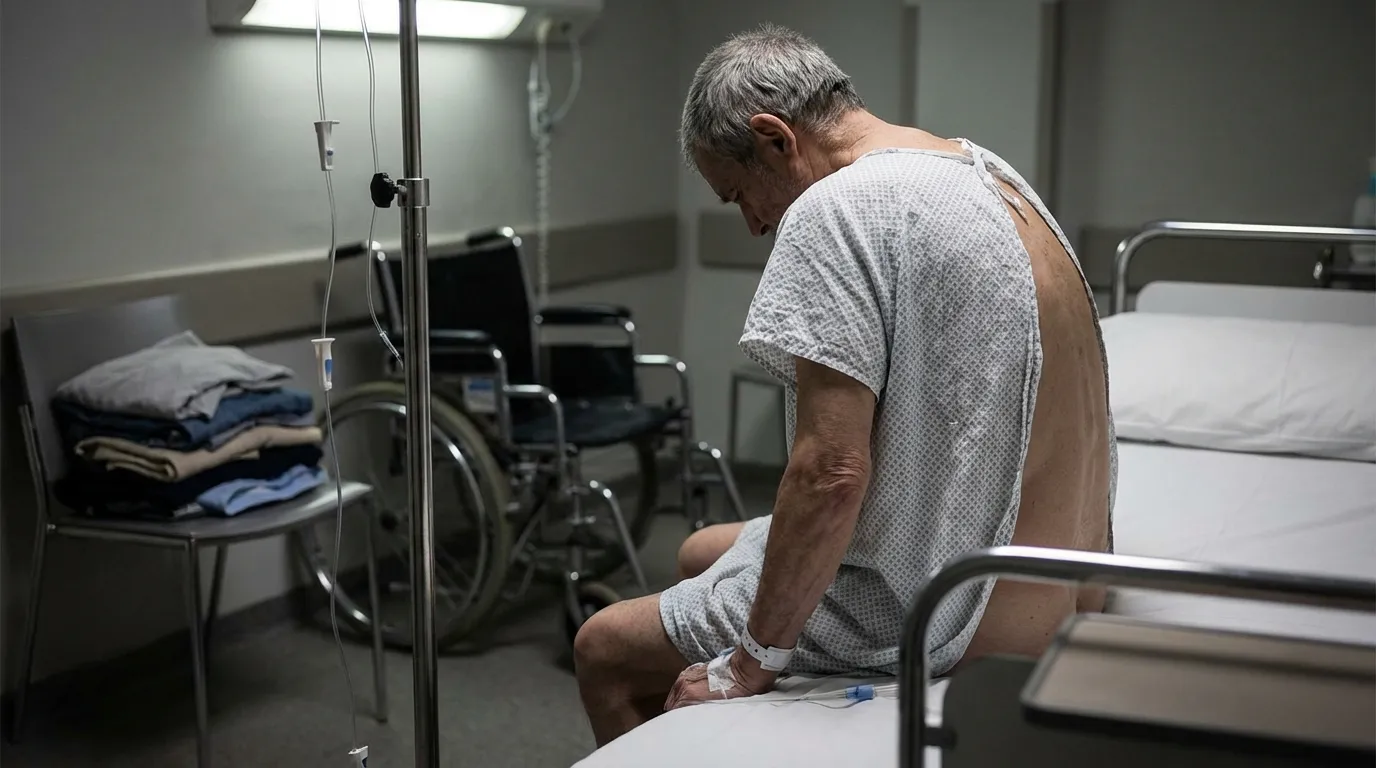
NoSurgeryForMe_62:"TURP was scheduled for April 3rd. Started wearing ProstaCalm 6 weeks before. By my pre-op appointment, symptoms had improved so much my doctor said 'let's wait and see.' That was 8 months ago. Still no surgery needed."
RetiredCoach_Mike:"My urologist was pushing laser surgery. $34,000. Said it was 'less invasive.' I asked for 90 days to try alternatives. ProstaCalm arrived in 5 days. Week 6, sleeping 6-7 hours straight. PSA dropped from 7.1 to 4.3. Doctor couldn't explain it. Didn't care — I kept my $34K and my dignity."
GrandpaJim_1957:"After my buddy had TURP and ended up in diapers for 3 months, I swore I'd try anything else first. This bracelet sounded insane. But 2 months in, I'm down to 1 bathroom trip per night from 6. Wife says I'm a different person. Best $39 I ever spent."
TruckDriver_Dave:"Couldn't do long hauls anymore. Had to stop every 45 minutes. Doctor said surgery or retire early. Neither was an option. Found ProstaCalm through a trucker forum. 5 weeks later, did a 6-hour drive with ONE stop. Dispatcher thought I'd lost my mind. Just laughed and kept driving."
But this comment stopped me cold:
Anonymous_Urologist:"I'm a practicing urologist. I perform 50+ TURP procedures per year. Started recommending patients try ProstaCalm before scheduling surgery. Not officially — can't do that. But 'off the record.' Results have been remarkable. I've cancelled more surgeries in the past 6 months than the previous 5 years combined. Do I lose income? Yes. Do my patients keep their quality of life? Also yes. That matters more."
A urologist recommending something that costs him surgery fees?
That's when I knew this wasn't just my experience.
Why Surgery "Works" (And Why This Works Better)
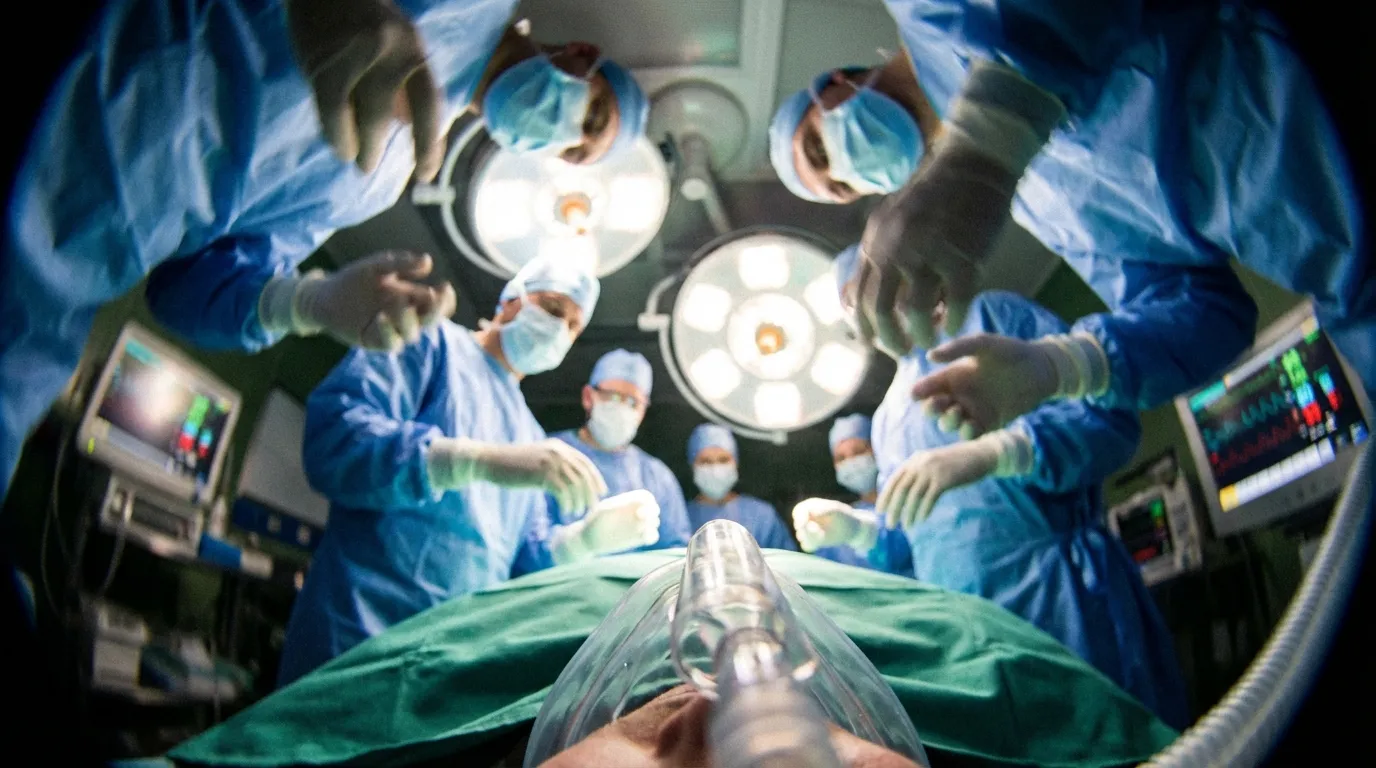
Here's what surgeons don't explain:
TURP Surgery: Cuts away prostate tissue that's blocking urine flow. Effective short-term. But it doesn't fix WHY the prostate enlarged in the first place. 15-20% of men need repeat procedures within 10 years.
Pills (Flomax, finasteride): Relax muscles or shrink prostate chemically. Doesn't address root cause. Side effects pile up. Stop taking them, symptoms return.
ProstaCalm™: Targets the ROOT CAUSE — chronic inflammation from poor pelvic circulation.
The 800-Gauss magnetic field at your wrist pulse point triggers systemic nitric oxide production. This improves blood flow throughout your body, including your pelvic region.
Better circulation → reduced inflammation → prostate can heal naturally.
That's why the Stanford study showed improvements that LASTED even after stopping therapy. It wasn't masking symptoms. It was helping the body heal.
Surgery removes the problem. ProstaCalm™ helps fix the problem.
One costs $27,000+, requires recovery time, and carries permanent side effect risks. The other costs $39.
What Prostate Problems Were Really Costing Me
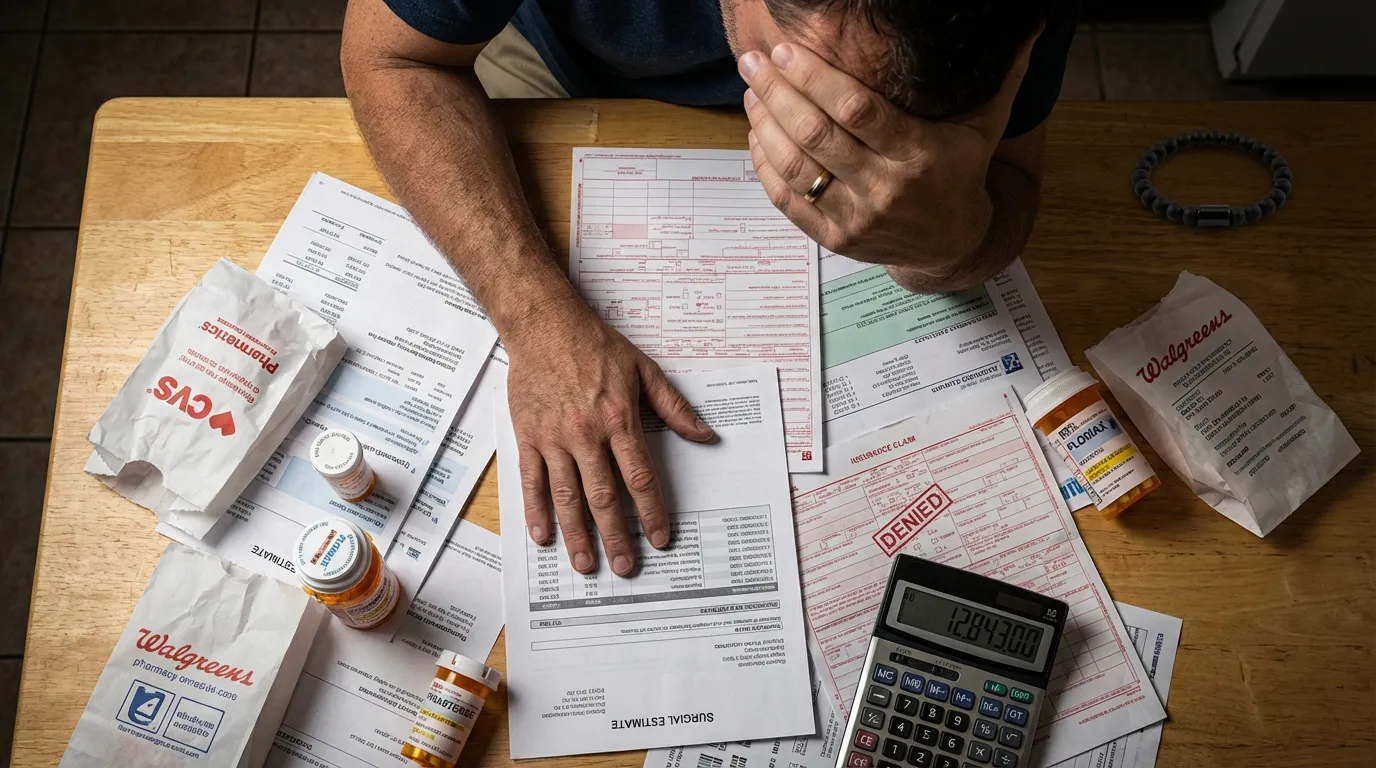
Before ProstaCalm™, here's what my enlarged prostate cost me annually:
- Flomax prescription - $1,020/year
- Finasteride prescription - $780/year
- Urologist visits (4x/year) - $600/year
- Scheduled TURP surgery - $27,000 (plus lost income during recovery)
TOTAL: $29,400+ in one year alone
Plus the costs you can't put a number on: exhaustion, ruined intimacy, constant anxiety, planning life around bathrooms.
ProstaCalm™? $39. One time.
Less than one month of Flomax.
Less than one urologist copay.
Less than 0.15% of the surgery I cancelled.
And it comes with a 90-day money-back guarantee. Three full months to test it. If it doesn't work, you get every penny back.
Why These Keep Selling Out

After the Stanford study started circulating on Reddit and men's health forums, demand exploded.
But here's the thing: ProstaCalm™ uses only medical-grade neodymium magnets calibrated to exactly 800 Gauss — the precise strength used in the Stanford study.
Cheaper knockoffs on Amazon use random magnets at random strengths. They don't work.
The genuine product requires precision manufacturing. Limited batches.
Right now: ProstaCalm™ is in stock at 70% off.
I don't know how long that'll last. When I ordered, there was a 2-week backorder. When I checked last week, it was in stock but inventory was "limited."
If you're facing surgery, don't wait.
What you get:
- ✅ Medical-grade 800-Gauss neodymium magnets (exact Stanford study strength)
- ✅ Adjustable comfort band (premium, one-size-fits-all)
- ✅ Discrete design (looks like regular bracelet — no one will know)
- ✅ Plain packaging (zero embarrassing labels)
- ✅ 90-day money-back guarantee (return even after 89 days, full refund)
- ✅ Free shipping (no hidden fees)
Real Questions. Honest Answers.
"Can this really replace surgery?"
I'm not a doctor. I can only tell you my experience and what I've seen from others. For me, it eliminated the need for a scheduled TURP. My urologist agreed surgery was no longer necessary after seeing my improved PSA and symptoms. Will it work for everyone? The Stanford study showed 78% success rate. That's not 100%. But with a 90-day guarantee, you risk nothing finding out.
"How long before I know if it's working?"
Most men notice initial changes within 7-14 days. For me, Day 5 was the breakthrough. The Stanford study showed peak results at 4-6 weeks, with continued improvement through 12 weeks. That's why you get 90 days to test it.
"Why the wrist? Shouldn't it be closer to the prostate?"
Your radial artery at the wrist is a major pathway to your entire circulatory system. The magnetic field triggers systemic nitric oxide production, which improves blood flow throughout your body — including your pelvic region. It's the same principle behind acupuncture: treatment points aren't always where you'd expect. Plus, wearing something on your wrist is a lot more practical than the alternative.
"Can I use it with my current medications?"
ProstaCalm™ doesn't interact with medications — it's not chemical, it's magnetic. Many men use it while still on Flomax or finasteride, then work with their doctors to reduce medications as symptoms improve. Always consult your doctor before changing any medication regimen.
"What if I already have surgery scheduled?"
That was my situation exactly. I postponed by 30 days to try ProstaCalm™. After seeing results, I cancelled entirely. If you're within a few weeks of surgery, you might ask your surgeon about a short postponement. Most are willing if you explain you want to try conservative options first. The 90-day guarantee gives you time to see if it works before making any permanent decisions.
"What if it doesn't work for me?"
Then you get your money back. Full refund, no questions asked, even if you've worn it for 89 days. You can still proceed with surgery knowing you tried a non-invasive option first. Zero risk.
6 Months Later: The Conversation That Made It Real

Six months after my cancelled surgery, my wife and I were on a road trip.
Three hours in, she looked over at me.
"We haven't stopped once."
I hadn't even noticed.
Before ProstaCalm™, a 3-hour drive meant 4 stops minimum. Mapping out every rest area. Anxiety the whole way.
Now? We drove 5 hours that day. Two stops — because we wanted coffee.
That night at the hotel, she said something that made me tear up:
"I was so scared. When they scheduled the surgery... I didn't tell you, but I read about the complications. The things that could go wrong. I thought we might lose... us."
"We didn't lose anything," I said. "We got it all back."
Your Choice Right Now

You can:
Option A: Proceed with surgery. $25,000-$40,000. Catheter for days or weeks. 4-6 weeks recovery. Risk of permanent side effects — incontinence, sexual dysfunction, retrograde ejaculation. 15-20% chance of needing repeat procedure within 10 years.
Option B: Keep taking pills that don't really work, cost thousands per year, and come with their own side effects. Wait until surgery becomes "unavoidable."
Option C: Try what worked for me and thousands of other men. $39. No side effects. No recovery time. No permanent changes to your body. 90-day money-back guarantee.
I'm not saying don't trust your doctor. I'm saying ask your doctor about trying conservative options first. Most good urologists will support that.
I'm just a 61-year-old retired firefighter sharing what saved me from a surgery I was terrified of.
The Stanford study is real. The 78% success rate is documented. My cancelled surgery is a fact.
Right now: 70% off + free shipping while supplies last.
What do you have to lose except a surgery you probably don't want?
P.S. My wife insisted I add this: "Tell them about the look on the surgeon's face when you called to cancel. He sounded almost... relieved. Like he knew surgery wasn't what you needed but couldn't say it."
She's right. He did sound relieved. Draw your own conclusions.
The surgery will always be there if you need it. But once you have it, you can't undo it. Try the $39 option first.
TIP : The ProstaCalm™ is selling out fast right now. We highly recommend placing your order fast before this promotion ends!
UPDATE: As of today's date - The demand for ProstaCalm™ has increased dramatically inventory has been flying off the shelves. Order your own for up to 70% OFF + FAST SHIPPING before it's too late.
Lock in your order while you still can to get 70% OFF + FAST SHIPPING
NOTE: This deal is NOT available on Amazon or eBay
















Frank Morrison
Had TURP scheduled for next month. Just ordered this. What do I have to lose? If it doesn't work, I can still do the surgery. If it does work... well, that's $30K and my dignity saved.
LikeReply472 h
Susan Morrison
Frank Morrison I'm the one who found this article. After what happened to my brother after his surgery (still in diapers 6 months later), I refused to let my husband go through with it without trying everything else first. Fingers crossed 🤞
LikeReply311 h